Reverse osmosis (RO) purification technology has become one of the most widely used methods for producing clean and high-quality drinking water. However, the performance of an RO system depends heavily on a stable water supply pressure. When incoming water pressure is insufficient, the filtration process becomes slower, wastewater production may increase, and the overall water output efficiency can be reduced.
This is where advanced booster pump technology plays an important role. By increasing and stabilizing the pressure entering the RO membrane, a booster pump helps create better filtration conditions and allows the purification system to operate closer to its designed performance. A water purifier with booster pump can provide a more consistent user experience, especially in areas where household water pressure is unstable or insufficient.
As demand for efficient and reliable water purification continues to grow, ro water pumps have become essential components in many residential and small-scale purification systems. Lefoo develops fluid control solutions that support various water treatment applications, helping users achieve more stable water output and improved purification efficiency.
Understanding the Pressure Challenges Behind Low RO Water Output
The RO filtration process relies on pressure to push water through a semi-permeable membrane. Unlike ordinary filtration methods, reverse osmosis requires sufficient pressure to separate purified water from dissolved salts, minerals, and other unwanted substances. When the pressure is too low, water movement through the membrane becomes less efficient.
Many household water systems experience pressure-related challenges. In some buildings, municipal water pressure may fluctuate throughout the day. In rural areas or locations with elevated storage tanks, the available pressure may not always meet the requirements of an RO membrane system.
Low pressure can affect several aspects of RO performance. Water production speed may decrease, users may need to wait longer to collect purified water, and the membrane may not operate under ideal conditions. Over time, inefficient operation can also influence filter lifespan and maintenance frequency.
A water purifier with booster pump addresses these limitations by adding controlled pressure support before water reaches the RO membrane. Instead of relying entirely on the existing water supply, the system uses the pump to maintain a more suitable operating environment for purification.
| Pressure Challenge | Impact on RO Systems | Role of Booster Pump Technology |
|---|
| Insufficient inlet pressure | Slower water production and reduced filtration efficiency | Increases pressure to support membrane operation |
| Unstable water supply | Inconsistent purification performance | Maintains more stable water flow conditions |
| High purification demand | Long waiting time for clean water | Improves water delivery efficiency |
| Membrane operation limitations | Reduced overall system effectiveness | Helps the membrane work under suitable pressure conditions |
How Booster Pump Technology Helps RO Systems Reach Optimal Filtration Conditions
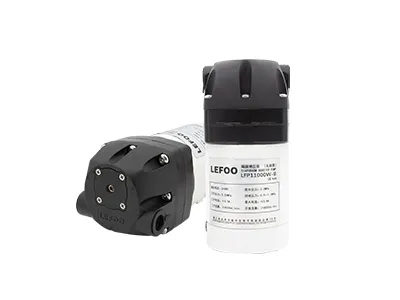
The main function of an RO booster pump is to provide additional pressure support for the reverse osmosis process. By increasing the pressure before water enters the membrane, the pump helps overcome resistance within the filtration system and improves the movement of water molecules through the membrane structure.
Modern ro water pumps are designed to deliver stable pressure rather than simply increasing flow speed. This distinction is important because RO membranes require controlled operating conditions. Excessive fluctuations can affect filtration consistency, while insufficient pressure can reduce purification performance.
A properly designed booster pump system can help achieve several benefits. It can improve water production efficiency, maintain more stable filtration conditions, and support better utilization of the RO membrane. For households that require faster access to purified water, this improvement can significantly enhance daily convenience.
Lefoo focuses on developing reliable pump technologies that balance pressure performance, energy efficiency, and long-term operating stability. By integrating suitable pumping solutions into RO systems, users can create a more effective water purification setup.
Different applications may require different pump configurations, flow capabilities, and installation methods. Understanding available options helps users select the right solution for their purification requirements. More information about Lefoo’s fluid control products can be found through its water pump and fluid handling solutions.
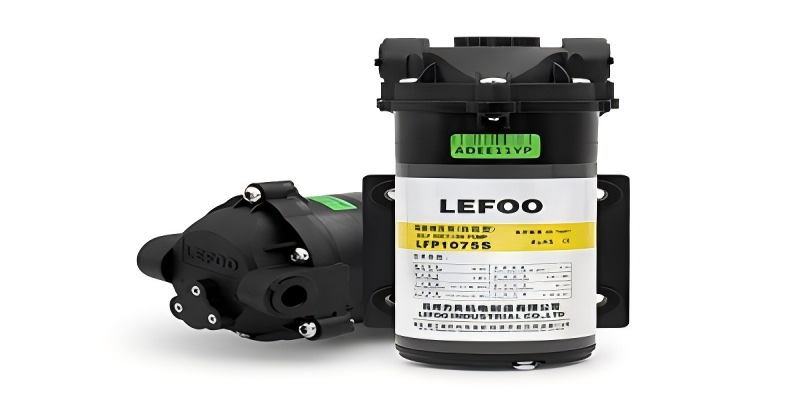
From Water Pressure to Water Quality: The Role of RO Water Pumps in Purification Systems
Water pressure is not only related to output speed; it also influences the overall effectiveness of the purification process. In an RO system, pressure determines how efficiently water passes through the membrane while contaminants remain separated from the purified water stream.
This means that ro water pumps play a supporting role in maintaining both system performance and water quality. By ensuring appropriate pressure conditions, these pumps help the membrane achieve more consistent filtration results.
For a water purifier with booster pump, the pump works together with other components including pre-filters, RO membranes, storage tanks, and control systems. Each component contributes to the final purification performance, and the booster pump helps maintain the pressure conditions required by the membrane.
Reliable pumping performance is especially important when users expect continuous access to purified water. Whether used in homes, offices, or small commercial environments, stable pressure control helps create a more predictable purification experience.
The relationship between pressure and water quality highlights why selecting suitable pump technology is essential. A well-matched RO pump system can improve efficiency while helping maintain consistent purification results over time.
Adapting Booster Pump Solutions for Household RO Units and DIY Water Systems
Booster pump technology is not limited to large-scale water treatment equipment. It is also widely applied in household RO units and DIY water purification systems where space, reliability, and ease of installation are important considerations.
For household applications, a water purifier with booster pump is often selected when existing water pressure is not sufficient for effective RO operation. The additional pressure provided by the pump helps improve water availability and allows the system to produce purified water more efficiently.
DIY water systems also benefit from flexible pumping solutions. Users building customized filtration setups need components that can adapt to different layouts, water sources, and performance requirements. Compact and reliable ro water pumps provide an effective way to optimize these systems without requiring major changes to existing plumbing structures.
When selecting a booster pump for household or DIY applications, users should consider factors such as required flow rate, operating pressure, compatibility with the RO membrane, noise level, and installation environment. Matching the pump with the rest of the system is essential for achieving reliable performance.
What Determines the Long-Term Performance of an RO Booster Pump System
The long-term performance of an RO booster pump system depends on multiple factors, including pump quality, operating conditions, component compatibility, and regular maintenance. A reliable pumping solution should not only provide sufficient pressure during initial operation but also maintain stable performance throughout its service life.
One important factor is material compatibility. Since ro water pumps operate in continuous contact with water systems, the materials used in pump components should provide durability and resistance to long-term exposure. Suitable materials help reduce wear and support consistent operation in different environments.
Operating conditions also influence pump lifespan. Factors such as water quality, inlet pressure, usage frequency, and installation environment can affect overall performance. For example, systems exposed to frequent pressure fluctuations may require a pump designed for stable and continuous operation.
Energy efficiency is another consideration for modern RO systems. An efficient booster pump should provide the required pressure without unnecessary power consumption. This helps reduce operating costs while supporting environmentally responsible water purification practices.
Proper system matching is equally important. A pump that is too small may not provide enough pressure support, while an oversized pump may create unnecessary complexity. Selecting a suitable water purifier with booster pump configuration ensures that the pump, membrane, and other filtration components work together effectively.
| Performance Factor | Why It Matters | Impact on RO System Operation |
|---|
| Pump material quality | Influences durability and reliability | Supports longer service life |
| Pressure stability | Maintains suitable membrane conditions | Improves filtration consistency |
| Energy efficiency | Reduces unnecessary power usage | Lowers operating costs |
| System compatibility | Ensures proper interaction between components | Improves overall purification performance |
Lefoo understands that reliable water purification depends on more than a single component. By focusing on stable fluid control technology, Lefoo helps users build RO systems that deliver consistent performance across different application environments.
Creating More Reliable RO Purification Systems with Efficient Pumping Solutions
As water purification requirements continue to evolve, efficient pumping technology has become an increasingly important part of RO system design. A high-quality booster pump not only improves water output but also helps maintain stable operating conditions for the entire purification process.
The combination of advanced pump design and precise pressure control allows ro water pumps to support more reliable filtration performance. Whether used in household purification equipment, DIY systems, or other small-scale water treatment applications, these pumps help solve common challenges caused by insufficient or unstable water pressure.
For manufacturers, system designers, and end users, choosing the right pumping technology requires consideration of application requirements, installation conditions, and expected performance. A carefully selected water purifier with booster pump can provide better user experience by improving water availability and maintaining consistent purification efficiency.
With professional experience in fluid control technologies, Lefoo continues to provide pumping solutions that support modern water purification needs. Through reliable design and application-focused development, Lefoo helps customers achieve more efficient and dependable RO water systems.
If you need assistance with pump selection, application requirements, or technical solutions for your RO system, you can communicate with Lefoo’s engineering team through the water purification system support service.
Conclusion
Low water pressure is one of the most common factors limiting RO system performance. Without sufficient pressure, the filtration process may become slower, less efficient, and unable to fully achieve the expected purification capacity.
By introducing advanced booster pump technology, RO systems can maintain more suitable pressure conditions and improve overall water output efficiency. A water purifier with booster pump provides a practical solution for households and water purification systems facing unstable or insufficient pressure.
At the same time, reliable ro water pumps support better filtration performance by creating stable operating conditions for RO membranes. Through proper pump selection, material compatibility, and system integration, users can build more efficient and dependable purification solutions.
As water treatment technology continues to develop, efficient pumping solutions will remain an important factor in improving RO system performance. With its focus on fluid control innovation, Lefoo supports customers in achieving reliable and sustainable water purification applications.
FAQ
1. Why does an RO system need a booster pump?
An RO system needs a booster pump when the incoming water pressure is not sufficient for efficient membrane operation. The pump increases and stabilizes pressure to improve filtration performance.
2. What is the main benefit of a water purifier with booster pump?
A water purifier with booster pump can improve water production speed, maintain stable filtration conditions, and provide more consistent purified water output.
3. How do ro water pumps improve RO filtration efficiency?
Ro water pumps provide controlled pressure support, helping the RO membrane operate under suitable conditions for better purification performance.
4. Can booster pumps be used in household RO systems?
Yes. Booster pumps are commonly used in household RO units, especially where water pressure is unstable or below the recommended operating level.
5. What factors affect the lifespan of an RO booster pump?
Pump material quality, operating pressure, water conditions, installation environment, and maintenance practices all influence the long-term performance of an RO booster pump system.
6. How do I choose the right RO booster pump?
The right pump should match the RO membrane requirements, required flow rate, pressure conditions, installation space, and overall system design.
 English
  français
  Deutsch
  Español
  italiano
  русский
  português
  العربية
  Türkçe
  Zulu
Zulu